Recovery after a Stroke isn’t easy. Depending on the type of Stroke and the severity, for some, rehabilitation can be enough, but for others hand or arm weaknesses can remain a problem for months or years after a Stroke.
This means that everyday activities, like reaching for an object, holding a cup, or getting dressed, can be difficult. Rehabilitation is always an important part of recovery, and researchers are always looking at the best way to help the brain make the best use of its remaining connections.
Motor Cortex Stimulation (MCS) is a neuromodulation technique that involves implanting an electrode device inside the skull, to deliver controlled electrical stimulation directly to the affected area of the brain after a Stroke.
Vagus Nerve Stimulation (VNS) is a different neuromodulation procedure that works by placing a small pulse generator under the skin of the chest. The device sends small electric pulses through the vagus nerve towards the brain in order to strengthen connections between the areas of the brain that are involved in learning and attention.
Both treatments take a different approach, but what is the science behind them, and what should someone recovering from a Stroke consider when deciding between the two?
The Type and Severity of Stroke and the Resulting Neurological Deficits
Every Stroke is different and can affect different areas of the patient’s brain. This means that each Stroke patient can experience a range of different difficulties and have varying recovery needs. For some, it may be a weakness in one arm or hand, while others may experience issues with coordination, sensation or other functions.
There are two main types of Stroke: Ischemic Stroke and Hemorrhagic Stroke.
- Ischemic Stroke: occurs when a blood clot or other blockage interrupts blood supply to parts of the brain.
- Hemorrhagic Stroke: happens when a blood vessel in the brain ruptures, causing bleeding in or around the brain.
Both cause damage to the brain but in very different ways.
The severity of the stroke can also play an important role in how the patient is affected. Some patients can have very mild symptoms, while others can have more severe neurological difficulties, including weakness or paralysis affecting one side of the body.
When looking at Motor Cortex Stimulation or Vagus Nerve Stimulation, the main focus is on people who still experience movement difficulties after Stroke, despite taking part in rehabilitation, especially weakness in the upper limbs.
Motor Cortex Stimulation works by targeting the motor cortex, the part of the brain that is involved in controlling movement. Therefore, the condition of the motor cortex and the other remaining connections are important.
Vagus Nerve Stimulation works by delivering small electrical pulses to the Vagus Nerve in the neck. These signals can then travel to the brain and activate systems that release chemical messengers, including norepinephrine and acetylcholine. These chemicals are an important part of helping patients to learn and the brain’s ability to adapt its own connections, also known as neuroplasticity.
It’s important to note that a Stroke can affect much more than just the patient’s ability to move. Depending on what area of the brain is affected, patients can also experience paralysis, difficulties with speech or communication, altered sensations, vision changes, cognitive or memory difficulties, and difficulties with bladder and/or bowel control.
Understanding how a Stroke has affected a patient, particularly their ability to move and what neural connections remain, is an essential part of deciding whether or not stimulation may be suitable and which type of stimulation might be best.
Stage of Recovery and Rehabilitation Goals
The stage of the patient’s recovery is also important when looking at whether Motor Cortex Stimulation or Vagus Nerve Stimulation will be more suitable. Vagus Nerve Stimulation is commonly considered once a patient is deemed medically stable, usually between two and four months after the Stroke, although this can vary from patient to patient. Both approaches are more commonly explored for Stroke patients who still have movement difficulties after rehabilitation alone.
Neither treatment is designed to replace rehabilitation, and instead should be used to help the brain make better use of the exercises being practiced. The aim of both treatments are to support the patient making improvements that can make a difference in daily life, like reaching, grasping or using the affected hand.
How Motor Cortex Stimulation or Vagus Nerve Stimulation May Help
Epidural Stimulation, Targeting the Motor Cortex Directly
The part of the brain that controls voluntary movements is called the motor cortex. It’s the area of the brain that is responsible for sending signals that are involved in movement, including movement in the arms and hands. These signals travel through the body’s nervous system, including through the corticospinal pathways, which connect the brain to the spinal cord and to control voluntary movement.
After a Stroke, some of the connections involved in motor and cognitive function may be damaged, however other parts of the brain’s movement network might still be working. Epidural Motor Cortex Stimulation aims to increase and strengthen the connections that remain.
Functional imaging and neurological assessments are used to help doctors find the correct area of the motor cortex that is involved in the movement of the affected limb. It is also important for doctors to understand how well these areas remain connected to the rest of the movement system, as every Stroke can affect the brain differently.
The invasive neurosurgical procedure works by placing a small electrode beneath the skull, but outside the brain tissue, over the area of the motor cortex responsible for movement in the affected limbs. The electrode can then deliver controlled electrical stimulation to the affected area.
Stimulation must be combined with rehabilitation exercises, such as specific hand or arm movements, with the idea that stimulation can help the surviving network to respond better to repeated practices. If successful, it may help to create better conditions for the brain to strengthen connections.
Vagus Nerve Stimulation: Helping the Brain Relearn Movement
Vagus Nerve Stimulation takes a different approach. Rather than focusing on a specific area of the brain, it works by stimulating the vagus nerve in the neck. The vagus nerve connects with several areas of the brain that are involved in learning, attention, and the ability to make new connections. After a Stroke, Vagus Nerve Stimulation may help the brain to recognise or strengthen some of the connections that remain undamaged, a process known as Neuroplasticity.
Vagus Nerve Stimulation may help to activate systems in the brain that use chemical messengers, including norepinephrine and acetylcholine.These two chemicals help to regulate and influence attention, alertness and learning. They also play a role in how connections between brain cells change and strengthen.
Vagus Nerve Stimulation involves an invasive procedure, although it does not involve surgery on the brain itself, which places a small pulse generator under the skin of the chest. This is then connected to the vagus nerve which is located on the left side of the neck. Once the device has been activated, it sends gentle electrical pulses along the nerve and towards the brain. The pulses are then timed to coincide with rehabilitation exercises, such as practicing specific arm or hand movements. This aims to activate the brain systems that are involved in learning and neuroplasticity while the patient is actively practicing these movements and helping the brain strengthen connections involved in controlling the affected limb.
The Main Difference: Should One Area of the Brain be Targeted or is Concentrating on a Wider Area more Effective?
While Motor Cortex Stimulation and Vagus Nerve Stimulation both use electrical stimulation, the way they affect the nervous system is very different. This gives Motor Cortex Stimulation a more targeted focus. However, it also means that the selected area needs to have enough working connections with the rest of the movement system to be able to work.
Both approaches work in very different ways, but in simple terms:
- Motor Cortex Stimulation targets the movement system directly: It aims to influence the brain area responsible for controlling the affected movement.
- Vagus Nerve Stimulation targets the brain’s learning systems: It aims to make the brain more responsive to the movements being practised during rehabilitation.
Clinical Evidence, Treatment Availability and Limitations
It’s important to remember that neither treatment can replace conventional Stroke rehabilitation, Vagus Nerve Stimulation may support intensive, task specific training, and Motor Cortex Stimulation is also intended to be combined with rehabilitation exercises.
Vagus Nerve Stimulation implants have an FDA approved indication for patients with chronic ischemic stroke who have suffered a moderate to severe upper limb impairment. However, it must be used alongside rehabilitation and isn’t suitable for every Stroke survivor. Instead, it’s approved for a specific group of patients.
Treatment Risks, Suitability, and Rehabilitation Needs
As with any medical procedure there are also risks to consider. Although Vagus Nerve Stimulation implantation has been feasible in studies, surgery complications may include temporary vocal cord dysfunction. Patients will be able to discuss the potential risks with their medical team.
This is why both patients and doctors need to understand the condition of the motor cortex and its connections with the movement system before the treatment is explored.
Rather than asking which treatment is better overall, researchers are more interested in understanding which approach is best suited for a particular patient’s remaining brain connections.
How do the Different Patients Benefit from Different Approaches?
Perhaps one of the biggest questions when it comes to Stroke rehabilitation is whether the same treatments are suitable for all Stroke patients.
For example, someone who has a well preserved motor cortex and working connections may be more suitable for Motor Cortex Stimulation.
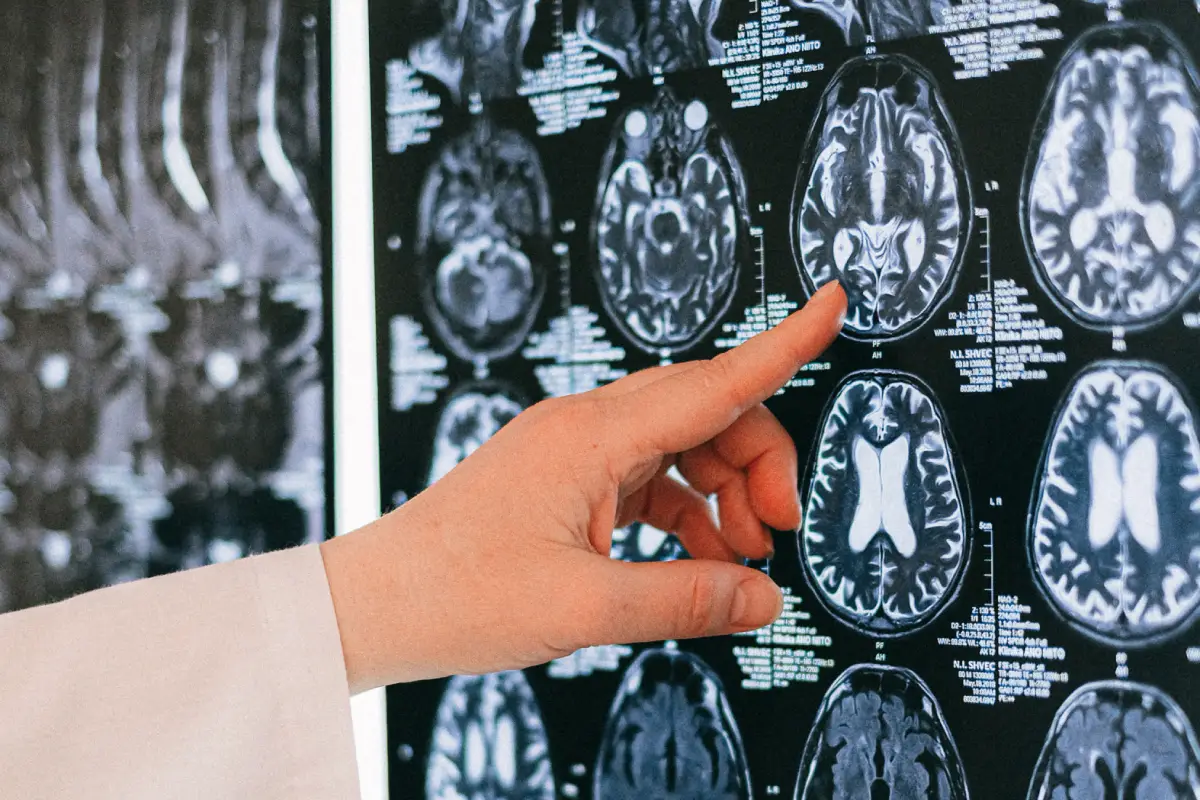
Researchers are also looking into different ways to determine what Stroke patients will have a better response to different treatments. Doctors and medical teams currently use brain scans and other tests to examine the condition of the remaining pathways.
Diffusion MRI scans may help examine the condition of the corticospinal tract (a group of nerve fibres that carry movement signals between the brain and spinal cord).
Functional MRI could also help identify areas of the brain that remain active during certain tasks, and other tests can help determine whether or not stimulation is able to engage the relevant neutral pathways.
In the future, this information may be able to help doctors make more informed decisions as to which treatment is better for individual patients.
Why is Rehab Still Essential?
After a Stroke the brain needs opportunities to practise and adapt, and repeated activities such as reaching, grasping, extending the wrist and handling objects give the nervous system experience to work with.
This is known as Experience Dependent Plasticity; the brain can adapt and strengthen connections through repeated experiences and activities.
Neuromodulation works by influencing the activity of the nervous system, helping to create conditions that support neuroplasticity. This is particularly clear with Vagus Nerve Stimulation. Electrical stimulation is delivered in connection with specific rehabilitation movements activating the brain systems involved in learning and adaptation. The aim is to help the brain recognize and reinforce connections involved in the movements being practised.
Motor Cortex Stimulation research has also combined stimulation with rehabilitation, including occupational therapy and task based exercises.Stimulation may help prepare or support the brain, while rehabilitation may provide the repeated movement practice needed to work towards functional improvements.
What Might the Future of Stroke Neuromodulation Look Like?
Research into both Motor Cortex Stimulation and Vagus Nerve Stimulation is part of helping Stroke rehabilitation be more personalized. Because every Stroke is different, researchers are always looking for different ways to better understand each person’s brain in order to tailor stimulation accordingly.
For Motor Cortex Stimulation, this may involve using brain scans and other tests to understand the best area for stimulation, researchers are also looking into whether stimulation settings can be adjusted according to how a person’s nervous system responds.
Vagus Nerve Stimulation research is also exploring how stimulation can be timed more precisely. As we have seen, Vagus Nerve Stimulation is paired with rehabilitation movements, with the aim to deliver stimulation at the right moment, when someone is practicing a movement that the brain needs to learn or strengthen.
This research has led to interest in something called closed loop neuromodulation. The closed loop system would be able to respond to signals from the body or brain rather than delivering stimulation according to a fixed schedule.
For example, a device may be able to detect movement attempts, or muscle activities or signals from the brain, and later use this information to determine the right time to administer stimulation.
Researchers are also exploring whether or not neuromodulation may be able to be combined with other rehabilitation technologies such as robotics, brain computer interfaces, and electrical stimulation with the aim of bringing stimulation, movement practice and feedback to provide a more coordinated approach.
While these developments are still being explored, they highlight a growing interest in finding new ways that Stroke rehabilitation can be personalized.
Conclusion
Both approaches work differently, but they share the same important principle: stimulation is intended to work alongside rehabilitation, not to replace it.
Several factors are important when considering how well a patient may respond to neuromodulation. These include identifying the correct biological target, delivering stimulation at the right time and with the right settings, and understanding how much of the body’s nervous system ability to support movement still remains. Intensive movement practice is still essential, as both are required in order to support the brain’s ability to adapt and strengthen connections.
As it stands, the most important thing to understand is that Stroke recovery is individual. Speaking with a specialist can help you to understand and explore the options available, as well as what treatment might be available for your individual case.

Dr Nasir Majeed, MBBS
Global Medical Director & Head of Research and Development
References
- FDA Premarket Approval — Vivistim Paired VNS System: https://www.accessdata.fda.gov/scripts/cdrh/cfdocs/cfpma/pma.cfm?id=P210007
- FDA announcement of Vivistim approval: https://content.govdelivery.com/accounts/USFDA/bulletins/2eea6b2
- VNS-REHAB full publication (PMC): https://pmc.ncbi.nlm.nih.gov/articles/PMC8862193/
- VNS implantation experience after stroke: https://pubmed.ncbi.nlm.nih.gov/36182812/
- Early VNS paired-rehabilitation study: https://pubmed.ncbi.nlm.nih.gov/26645257/
- 2024 VA/DoD Stroke Rehabilitation Clinical Practice Guideline: https://www.healthquality.va.gov/guidelines/Rehab/stroke/
- 2026 Cochrane review of VNS for post-stroke motor recovery: https://www.cochrane.org/evidence/CD015859_vagus-nerve-stimulation-added-rehabilitation-more-effective-rehabilitation-alone-recovery-upper-limb
Medical Disclaimer: This article is intended for educational and scientific discussion and does not constitute medical advice or a recommendation for a specific patient. Individuals considering Motor Cortex Stimulation or Vagus Nerve Stimulation for stroke recovery should consult a qualified neurologist or physiatrist to discuss candidacy, risks, and current treatment availability.